


Off-grid living has become an increasingly popular lifestyle choice for many individuals seeking a more self-sufficient and sustainable way of life. One of the key considerations for off-grid living is a reliable power source. As an RV Lithium Battery supplier, I often get asked whether an RV lithium battery can be used for off-grid living. In this blog post, I'll explore the feasibility, advantages, and considerations of using an RV lithium battery in an off-grid living setup.
Feasibility of Using RV Lithium Batteries for Off-Grid Living
RV lithium batteries are designed to provide power for recreational vehicles, which often require a reliable and long-lasting energy source for various appliances and systems. The same characteristics that make them suitable for RVs also make them a viable option for off-grid living.
These batteries are typically made with lithium iron phosphate (LiFePO4) chemistry, which offers several benefits over traditional lead-acid batteries. LiFePO4 batteries have a higher energy density, meaning they can store more energy in a smaller and lighter package. This is particularly important for off-grid living, where space and weight may be limited.
For example, our Lithium Battery 12.8V 50AH is a compact and lightweight option that can provide a significant amount of power for off-grid applications. It can be easily installed in a small off-grid cabin or a mobile off-grid setup.

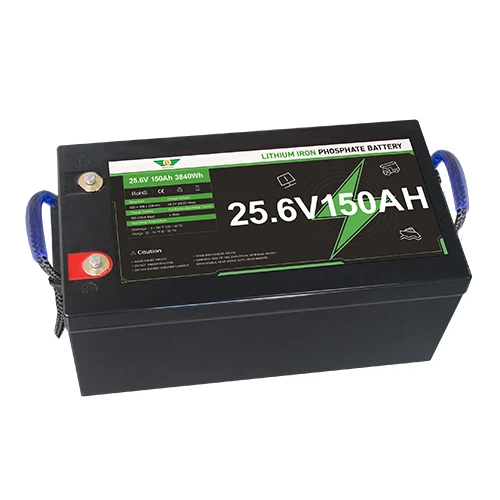
Advantages of RV Lithium Batteries for Off-Grid Living
High Energy Efficiency
One of the most significant advantages of RV lithium batteries is their high energy efficiency. They can charge and discharge more efficiently than lead-acid batteries, which means less energy is wasted during the charging and discharging process. This is crucial for off-grid living, where every bit of energy counts.
Long Lifespan
LiFePO4 batteries have a much longer lifespan compared to lead-acid batteries. They can typically withstand thousands of charge-discharge cycles, while lead-acid batteries may only last a few hundred cycles. This means that you won't have to replace your batteries as often, saving you money in the long run.
Fast Charging
RV lithium batteries can be charged much faster than lead-acid batteries. This is beneficial for off-grid living, especially if you are using solar panels or other renewable energy sources to charge your batteries. Faster charging allows you to make the most of the available sunlight or other energy sources.
Low Self-Discharge Rate
Lithium batteries have a very low self-discharge rate, which means they can hold their charge for a long time when not in use. This is useful for off-grid living, where you may not be using your batteries continuously.
Considerations When Using RV Lithium Batteries for Off-Grid Living
Initial Cost
One of the main drawbacks of RV lithium batteries is their higher initial cost compared to lead-acid batteries. However, when you consider their longer lifespan and higher efficiency, the cost per cycle is often lower in the long run.
Battery Management System (BMS)
RV lithium batteries require a Battery Management System (BMS) to ensure safe and efficient operation. The BMS monitors the battery's voltage, temperature, and current, and protects the battery from overcharging, over-discharging, and short-circuiting. It's important to choose a high-quality BMS to ensure the longevity and safety of your batteries.
Compatibility with Existing Systems
Before using an RV lithium battery for off-grid living, you need to ensure that it is compatible with your existing electrical systems. This may require some modifications or the addition of a charge controller or inverter.
Sizing Your RV Lithium Battery for Off-Grid Living
Proper sizing of your RV lithium battery is crucial for off-grid living. You need to calculate your daily energy consumption and choose a battery with a sufficient capacity to meet your needs.
To calculate your daily energy consumption, make a list of all the electrical appliances and devices you will be using in your off-grid setup, along with their power ratings and estimated usage times. Multiply the power rating by the usage time for each appliance to get the energy consumption in watt-hours (Wh). Then, add up the energy consumption of all the appliances to get your total daily energy consumption.
Once you have your total daily energy consumption, you can choose a battery with a capacity that is at least equal to your daily energy consumption. It's also a good idea to add some extra capacity to account for cloudy days or other periods of low energy production.
Integration with Renewable Energy Sources
Off-grid living often relies on renewable energy sources such as solar panels, wind turbines, or hydroelectric generators. RV lithium batteries can be easily integrated with these renewable energy sources to store the energy generated during the day for use at night or during periods of low energy production.
For example, solar panels can be connected to a charge controller, which then charges the RV lithium battery. The battery can then power your electrical appliances and devices through an inverter.
Other Applications of RV Lithium Batteries
In addition to off-grid living, RV lithium batteries have other applications. For instance, they are also commonly used in golf carts. Our Golf Cart LiFePO4 Battery is specifically designed for golf carts, offering high performance and reliability.
Conclusion
In conclusion, using an RV lithium battery for off-grid living is a feasible and advantageous option. With their high energy density, long lifespan, fast charging, and low self-discharge rate, they can provide a reliable and efficient power source for your off-grid setup. However, you need to consider the initial cost, the need for a BMS, and compatibility with your existing systems.
If you are interested in learning more about our RV Lithium Battery products or have any questions about using them for off-grid living, please feel free to contact us for further discussion and potential procurement. We are here to help you find the best energy storage solution for your off-grid needs.
References
- "Lithium-Ion Batteries: A Guide to Understanding and Using Them," by Battery University
- "Off-Grid Living: A Practical Guide," by various authors in the off-grid living community


