


As a supplier of solar courtyard lights, I often get asked if our products can be used in areas with low sunlight intensity. It's a valid question, especially for those living in regions with less sunny days or areas that are shaded for a significant part of the day. In this blog, I'll share some insights on this topic based on my experience in the solar lighting industry.
First off, let's understand how solar courtyard lights work. These lights have a solar panel that captures sunlight during the day. This sunlight is then converted into electricity and stored in a battery. When it gets dark, the battery powers the light. The efficiency of this process depends on how much sunlight the solar panel can absorb.
In areas with low sunlight intensity, the solar panels on our courtyard lights will receive less sunlight. This means they'll generate less electricity, and the battery might not charge fully. But that doesn't mean our solar courtyard lights can't be used in these areas. We've designed our lights to be as efficient as possible, even in less-than-ideal sunlight conditions.
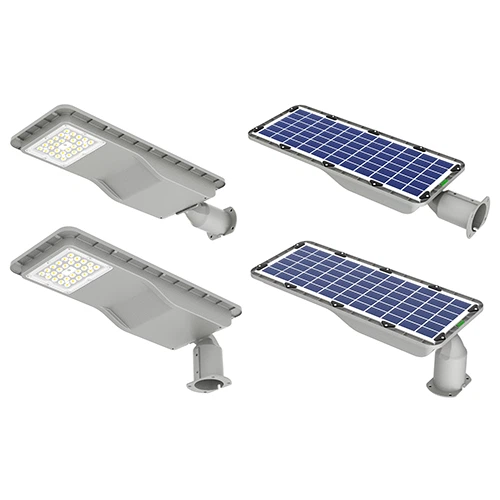
One of the key features of our solar courtyard lights is the high - efficiency solar panels. These panels are made with advanced materials that can capture more sunlight, even on cloudy days. For example, our Waterproof IP65 Solar Garden Light comes with a state - of - the - art solar panel that has a higher conversion rate compared to standard panels. This allows it to generate more electricity from the limited sunlight available in low - intensity areas.
Another factor is the battery. We use high - capacity batteries in our lights. These batteries can store more energy, so even if the solar panel doesn't charge fully during the day, there's still enough power to keep the light on for a reasonable amount of time at night. Our All in One Garden Solar Light has a large - capacity battery that can store enough energy to provide several hours of illumination, even when the sunlight is scarce.
We also take into account the power consumption of the light source. Our lights are equipped with energy - efficient LED bulbs. These bulbs use very little power while providing bright and long - lasting light. The Solar Garden Light 18W is a great example. It uses an 18W LED bulb that can produce a high level of illumination without draining the battery quickly.
However, it's important to note that in areas with extremely low sunlight intensity, the performance of the solar courtyard lights might be affected. The lights might not stay on for as long as they would in areas with more sunlight, or they might not be as bright. But in most cases, they'll still provide enough light to illuminate your courtyard or garden.
To get the best performance out of our solar courtyard lights in low - sunlight areas, there are a few things you can do. First, make sure to install the lights in a location where they can get as much sunlight as possible. Even in low - intensity areas, there might be spots that receive more direct sunlight than others. Avoid installing the lights under large trees or near tall buildings that might block the sunlight.
Second, keep the solar panels clean. Dust, dirt, and leaves can accumulate on the panels and reduce their efficiency. Regularly clean the panels with a soft cloth and water to ensure they can capture as much sunlight as possible.
In conclusion, while areas with low sunlight intensity present some challenges for solar courtyard lights, our products are designed to work effectively in these conditions. With high - efficiency solar panels, high - capacity batteries, and energy - efficient LED bulbs, our lights can still provide reliable illumination for your outdoor spaces.
If you're interested in our solar courtyard lights and want to discuss how they can work in your specific area, whether it has low sunlight intensity or not, I'd love to have a chat with you. We can talk about your needs, the best product for your situation, and get you a quote. Feel free to reach out to start a procurement discussion, and let's light up your outdoor space together!

References
- Solar Lighting Handbook: Principles and Applications
- Journal of Renewable Energy and Sustainable Power


